
The UFS strengthens its global and African footprint through purposeful partnerships that advance research excellence, expand societal impact, and drive collaborative solutions aligned with Vision 130, the SDGs, and Africa-led development priorities.
The University of the Free State (UFS) continues to expand its regional, continental, and global footprint through meaningful partnerships that advance the institution’s strategic commitments under Vision 130. These collaborations strengthen research excellence, deepen societal impact, and contribute directly to the United Nations Sustainable Development Goals (SDGs), particularly through Investing in People, Protecting the Planet, Enabling a Prosperous Society, and Peace and Justice for All.
In 2024, collaborations across faculties, centres, and research units demonstrated the power of collective expertise in addressing societal challenges, expanding academic excellence, and deepening the university’s regional and international influence.
These partnerships reflect the UFS’s emphasis on interdisciplinary engagement, capacity strengthening, and community-responsive research. Through its participation in the SARIMA Visibility Project, the Directorate for Research and Development is benchmarking institutional practices against leading global standards, enhancing the university’s competitiveness in international grant funding and strengthening SDG 17 through purposeful collaboration. The project’s emphasis on professionalising research management contributes directly to elevating the university’s research ecosystem.
Across the institution, partnerships continue to unlock impactful innovations. Joint ventures with international research consortia, national agencies, and African higher education institutions have enabled the UFS to co-create solutions in climate resilience, public health, agriculture, engineering, and social justice. These include significant contributions to strengthening water security in the Maloti-A-Phofung region, collaboration on rotavirus vaccine development for the African continent, and pioneering climate-focused paleoclimate research with French and South African partners.
The UFS remains committed to advancing Africa-led scholarship through collaborations with regional universities, including the growing intra-African partnership between the UFS Qwaqwa Campus and Debark University in Ethiopia. Such initiatives strengthen knowledge exchange, postgraduate training, and community-engaged research aligned with SDG 10 and the African Union’s Vision 2063.
The collective impact of these partnerships demonstrates the university’s ongoing investment in research excellence, societal relevance, and the advancement of responsible societal futures. Through sustained collaboration, the UFS is shaping transformative knowledge that addresses real-world challenges while preparing the next generation of globally competitive graduates who can contribute to a more just, sustainable, and prosperous world.
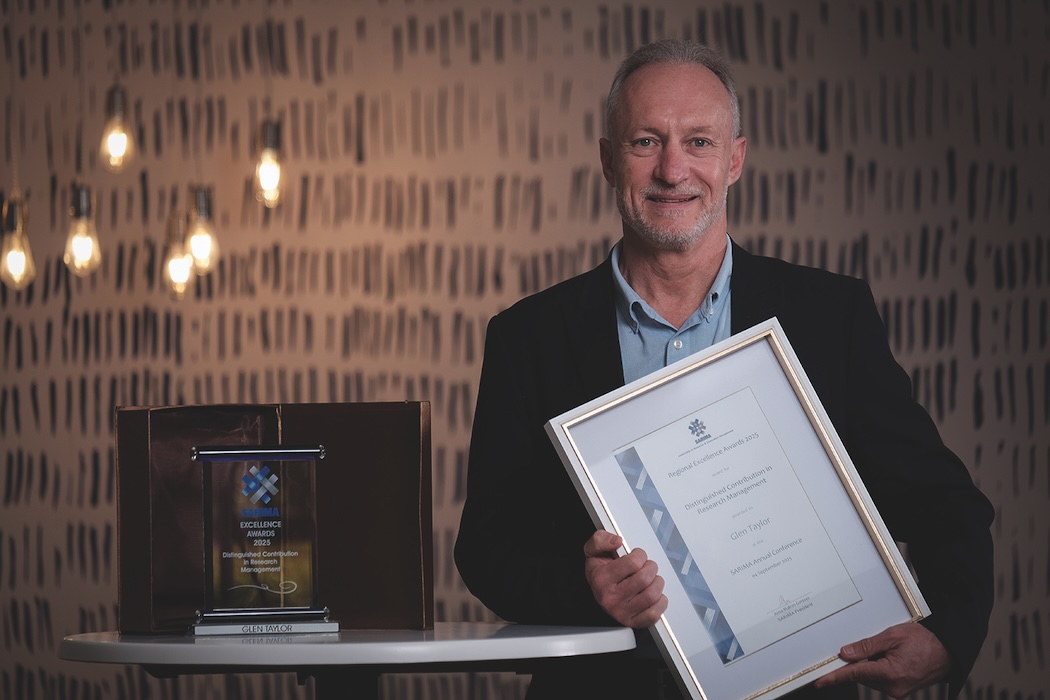
The UFS strengthened its institutional visibility and research management excellence in 2024 through its participation in the SARIMA Visibility Project, a high-impact initiative aimed at elevating research governance across Southern Africa. Led at UFS by Dr Glen Taylor, Senior Director of the Directorate for Research and Development (DRD), the project positions the university alongside leading Tier 1 research institutions, benchmarking procedures, systems, and international engagement frameworks in line with global best practice.
The initiative directly advances SDG 17 (Partnerships for the Goals) and supports the national research management ecosystem by fostering professionalisation, leadership development, and alignment with international grant-making environments. Within the UFS, the project has contributed substantially to Enabling a Prosperous Society, strengthening internal standardisation, enhancing response times for research collaborations, and improving institutional readiness for competitive global funding opportunities.
DRD’s participation also reflects the university’s long-term commitment to Investing in People. Through structured learning, peer exchange, and institutional reflection, UFS research management professionals gained strategic insights into emerging global practice, data-driven decision-making, and the evolving requirements of international research funders. This investment builds internal capacity while contributing to regional development and the university’s Vision 130 aspiration of becoming a globally recognised research-intensive institution.
As a collaborative platform between SARIMA and African universities, the project further expands the UFS’s networks within the continent and internationally, laying the foundation for future collaboration, improved data management systems, and stronger research integrity structures. These efforts not only strengthen the university’s own research ecosystem but also contribute meaningfully to a more sustainable, equitable, and competitive African science landscape.
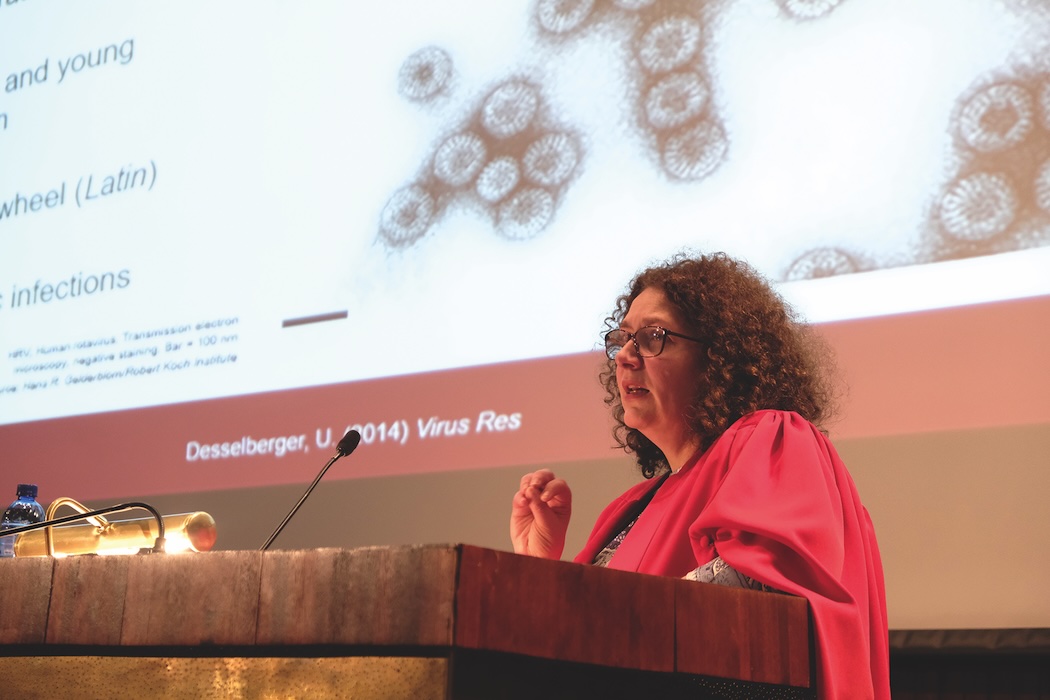
The Molecular Virology Group at the UFS continues to play a vital role in an international consortium working to develop more effective rotavirus vaccines tailored to the African continent. Led by Prof Trudie O’Neill in the Department of Microbiology and Biochemistry, the project is funded by the German Research Foundation (DFG) and brings together researchers from Mozambique, Germany, and South Africa.
Rotavirus remains one of the most significant causes of severe diarrhoeal disease and mortality in young children, particularly in low- and middle-income countries. The consortium’s objective is therefore directly aligned with SDG 3 (Good Health and Well-Being) and the university’s commitment to Investing in People. Using advanced reverse genetics technologies, the research team works to develop vaccine candidates built from cloned genome segments – an innovation aimed at producing a locally relevant vaccine that responds to the viral strains circulating most widely in Africa.
The project is also a strong platform for capacity development. Postgraduate students and early-career researchers participate in international exchanges and hands-on laboratory training, strengthening Africa’s long-term scientific capabilities. Visits by Mozambican and German researchers to Prof O’Neill’s laboratory further support skills transfer and regional cooperation.
Through this work, the UFS contributes to a broader continental mission: ensuring that African children receive vaccines that are effective for African contexts. The consortium’s progress underscores the university’s commitment to scientific innovation, global health equity, and evidence-based solutions that improve the quality of life for vulnerable communities.
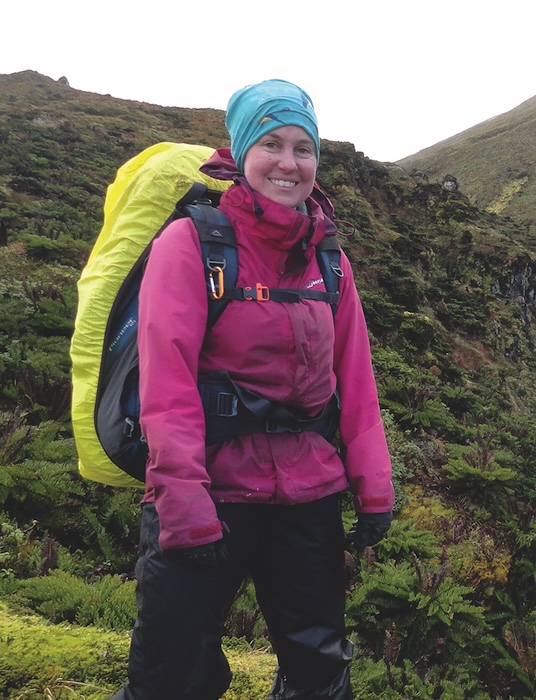
In the face of accelerating climate instability, the UFS contributes to global climate knowledge through a pioneering paleoclimate collaboration led by Dr Elizabeth Rudolph of the Department of Geography. Working with the National Laboratory of Cosmogenic Nuclides (France), the University of Fort Hare, and the University of South Africa, the project reconstructs the glacial and volcanic history of the Prince Edward Islands and Kerguelen Archipelago.
Funded by SANAP-NRF and the NRF-PROTEA bilateral programme, the initiative is aligned with SDG 13 (Climate Action) and directly supports Protecting the Planet. The research team, composed of geomorphologists, geologists, and climate modellers, uses highly specialised isotope-dating equipment to reconstruct long-term climate dynamics. These findings inform global atmospheric models and contribute to improved predictions regarding the Southern Hemisphere’s response to climate change.
The UFS Qwaqwa Campus continued to deepen its strategic intra-African collaborations through a formal partnership with Debark University in Ethiopia. Facilitated by the Office for International Affairs (OIA) and championed by the Afromontane Research Unit (ARU), the partnership focuses on “mountain-to-mountain” research, linking South Africa’s Maloti Mountains with Ethiopia’s Simien Mountains.
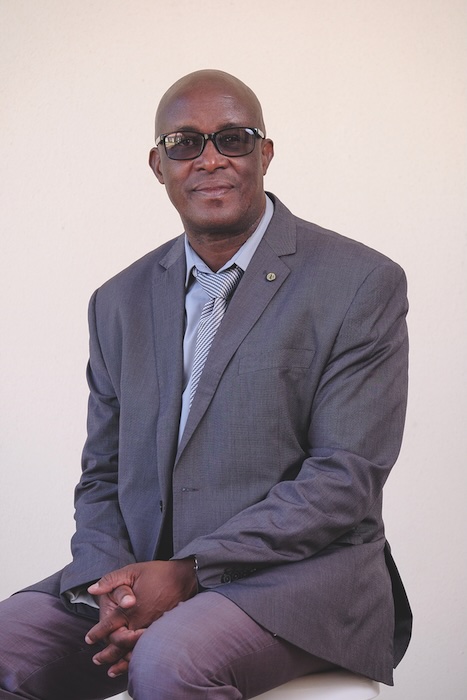
This collaboration supports SDG 10 (Reduced Inequalities) and contributes to Peace and Justice for All by strengthening universities serving remote and underserved communities. With guidance from Prof Prince Ngobeni, Principal of the Qwaqwa Campus, the initiative expands academic exchange, postgraduate supervision, and capacity development. It also establishes a framework for collaborative biodiversity, livelihoods, and resilience research in geographically unique high-altitude systems.
Through his work in the Higher Education Partnerships in Sub-Saharan Africa (HEP SSA) project, Mr Sandile Dladla of the Department of Engineering Sciences is contributing to strengthening engineering education and capacity building across the continent. Funded by the Royal Academy of Engineering (UK), the initiative supports curriculum innovation, accreditation readiness, industry engagement, and professional development.
A highlight of the year was Mr Dladla’s knowledge-exchange visit to the University of Lincoln’s Institute of Agri-Food Technology (UK), where he explored cutting-edge innovations in agricultural robotics, automation, and precision engineering. These insights support curriculum modernisation at the UFS and enrich regional engineering practice.
The initiative aligns with SDG 4 (Quality Education), SDG 8 (Decent Work and Economic Growth), and SDG 10 (Reduced Inequalities), contributing directly to Investing in People and Enabling a Prosperous Society.
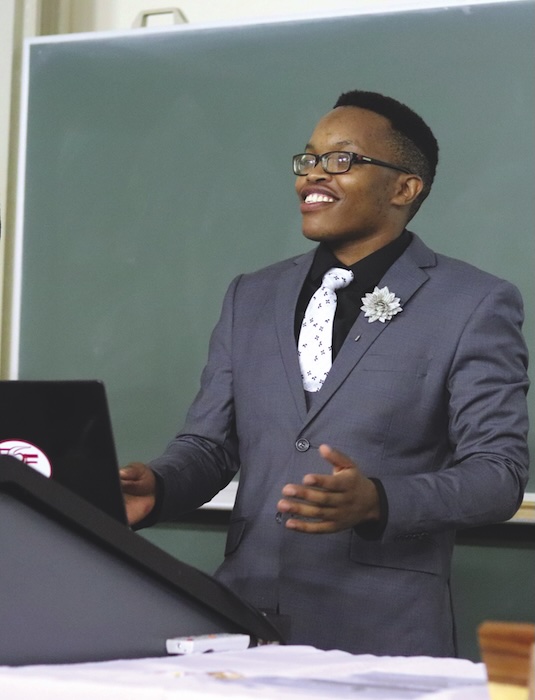
One of the UFS’s most ambitious multidisciplinary endeavours is the establishment of a large-scale algae photobioreactor plant, championed by Prof Paul Oberholster (Dean of the Faculty of Natural and Agricultural Sciences) and Dr Glen Taylor, Senior Director for Research Development. Acquired through strategic negotiations with the Technology Innovation Agency (TIA), the 20-unit photobioreactor system positions the UFS as a continental leader in algae-based biotechnology.
The facility supports high-value production of carotenoids, omega-3 fatty acids, antioxidants, and other bioactive compounds used in pharmaceuticals, nutraceuticals, cosmetics, and green chemistry. It also provides opportunities for wastewater bioremediation research, carbon reduction technologies, and algae-based biofertilisers.
This initiative contributes to SDG 3 (Good Health and Well-Being), SDG 6 (Clean Water and Sanitation), SDG 8 (Decent Work and Economic Growth), SDG 9 (Industry, Innovation and Infrastructure), and SDG 13 (Climate Action), reflecting the UFS’s commitment to Investing in People, Protecting the Planet, and Enabling a Prosperous Society.
Addressing persistent water insecurity in the Maloti-a-Phofung region remained a priority for the UFS Qwaqwa Campus. Through a strengthened partnership between Dr Patricks Otomo (Department of Zoology and Entomology) and Dr Clive Lipchin of the Arava Institute in Israel, the university helped introduce decentralised, energy-efficient water treatment systems appropriate for rural communities.
The project focuses on greywater recycling, wastewater reclamation, biosand filtration, and small-scale purification technologies, aligning with SDG 3 (Good Health and Well-Being), SDG 6 (Clean Water and Sanitation), and SDG 11 (Sustainable Cities and Communities). It represents a strong example of the university’s mission to empower vulnerable communities and protect natural resources.
The MASSTER Project, led at UFS by Prof Corli Witthuhn, continued to strengthen agricultural resilience and address rural-urban migration dynamics in Senegal and South Africa. By integrating agricultural innovation with socioeconomic development, the project supports farmer field schools, extension worker training, agro-processing techniques, and regenerative agriculture.
Through demonstration plots and participatory learning, the initiative enhances food system resilience and livelihood diversification, directly supporting SDG 2 (Zero Hunger), SDG 4 (Quality Education), SDG 8 (Decent Work and Economic Growth), and SDG 10 (Reduced Inequalities). It is a powerful example of the university’s contribution to Enabling a Prosperous Society.
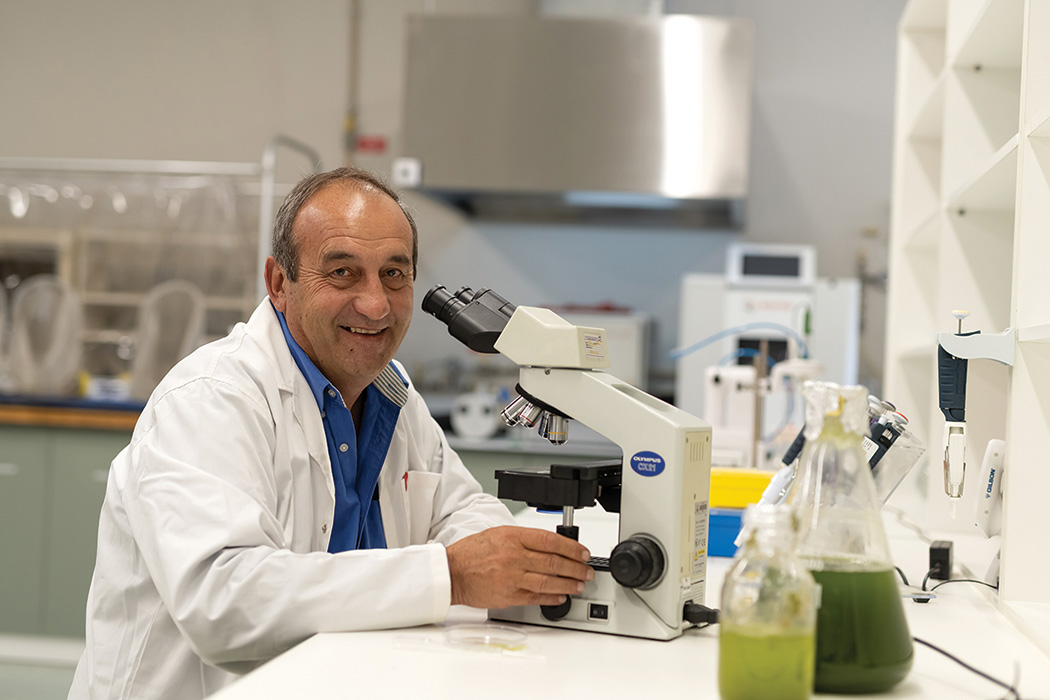
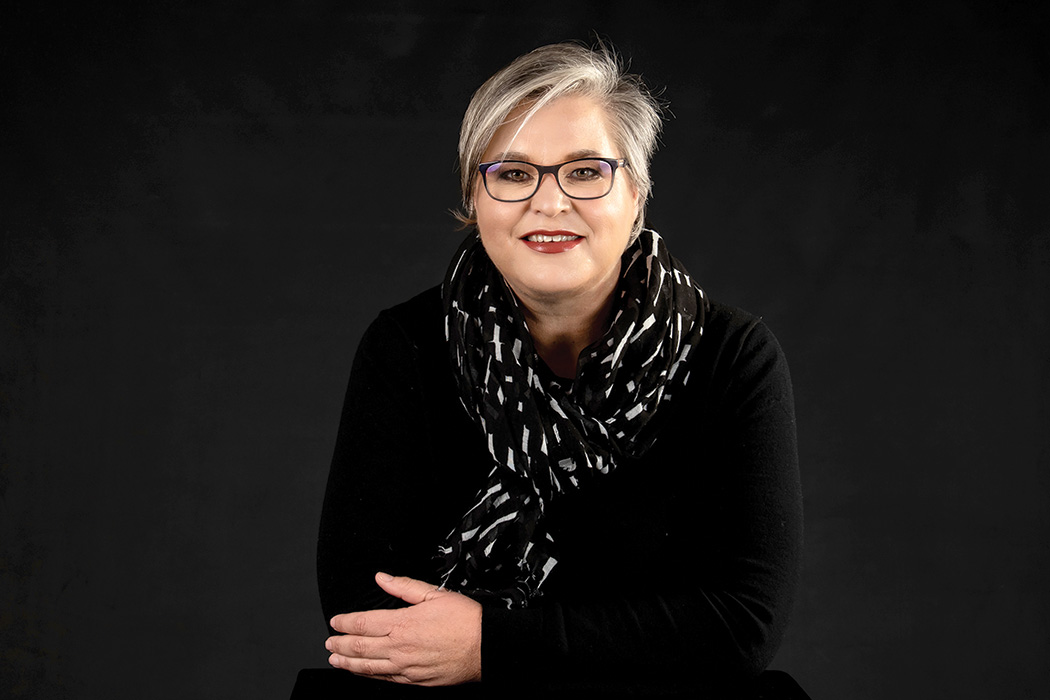
Cancer research at the UFS is strengthened by the complementary work of three units:
Together, these units support SDG 3 (Good Health and Well-Being) and reflect the UFS commitment to Investing in People and improving clinical outcomes.
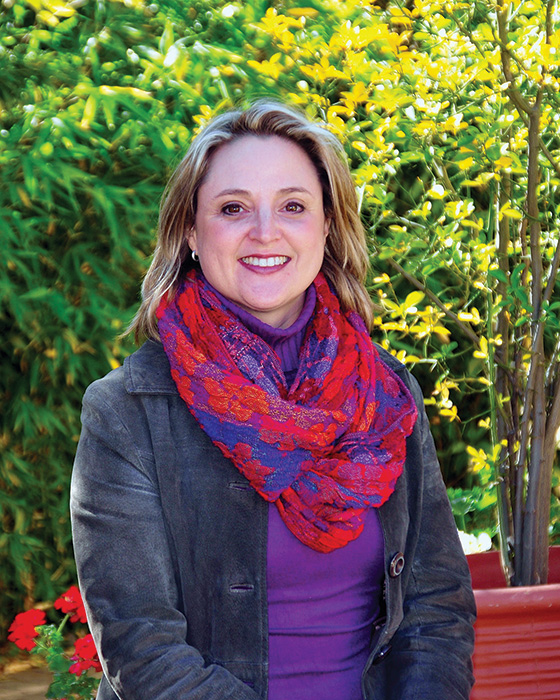
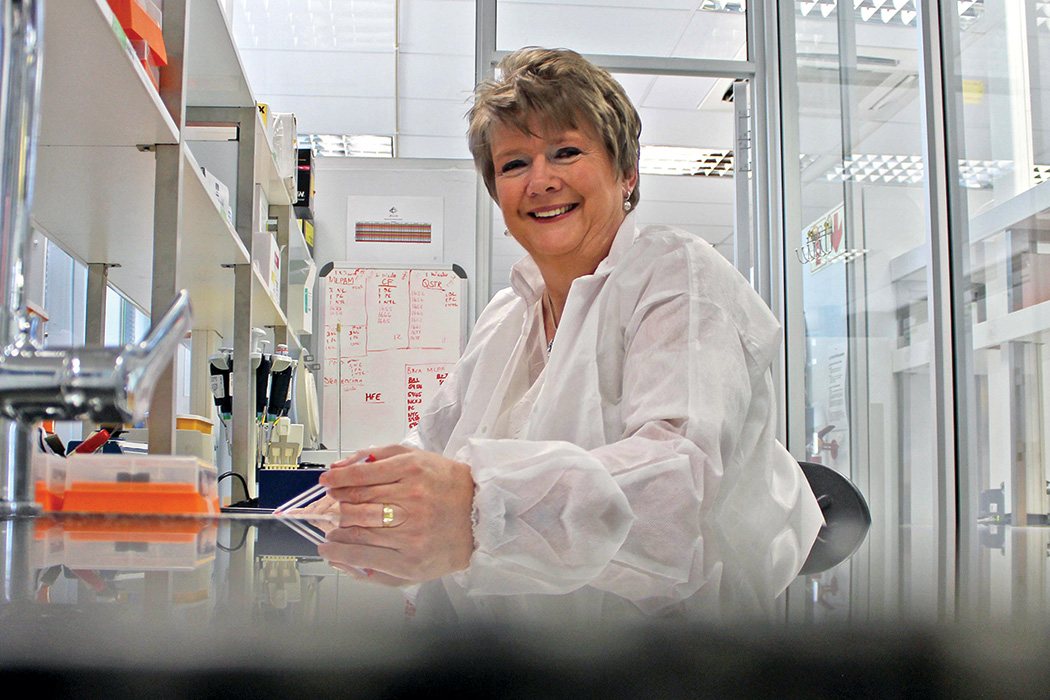
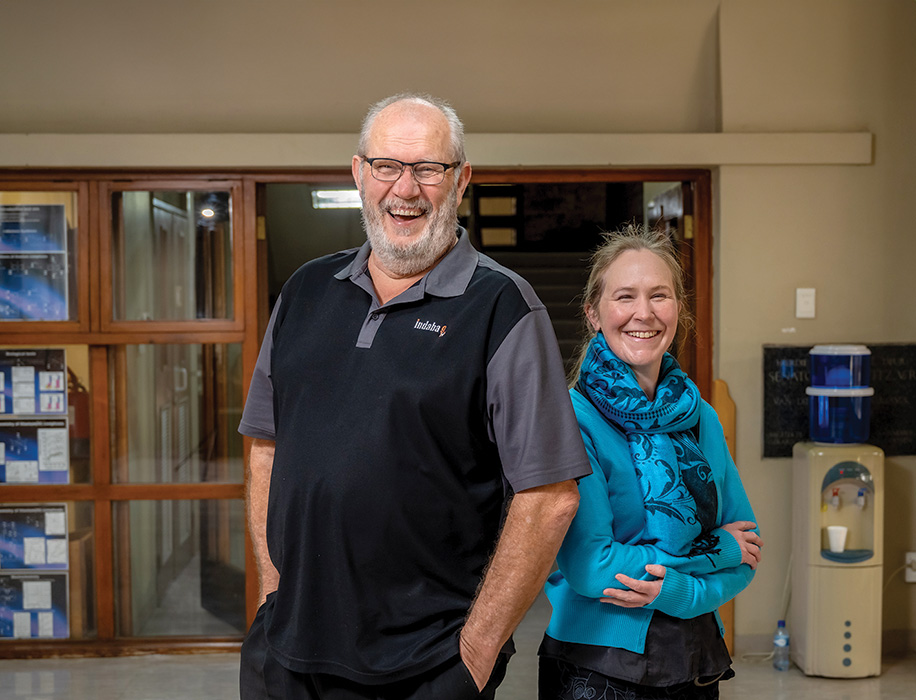
The University of the Free State continues to advance neuroscience-focused drug discovery through pioneering work led by Prof Anke Wilhelm, Associate Professor and Divisional Head of Organic Chemistry in the Department of Chemistry. Her research explores the identification and characterisation of GABAergic compounds – plant-derived substances affecting the brain’s gamma-aminobutyric acid (GABA) system, the primary inhibitory neurotransmitter regulating central nervous system activity.
Using a zebrafish larval movement bioassay, Prof Wilhelm evaluates the neurological impact of natural extracts with the goal of discovering affordable therapeutic alternatives for epilepsy and other CNS-related disorders.
Zebrafish provide a powerful and cost-effective model for early-stage neuropharmacological screening, sharing approximately 70% of human genes and over 80% of genes associated with human disease. Their rapid development, optical transparency, and suitability for high-throughput assays allow observation of real-time neurological responses to test compounds.
This research contributes to SDG 3 (Good Health and Well-Being) and supports Investing in People by addressing the burden of neurological disease with more accessible therapeutic options.
A significant enabler has been the acquisition of Noldus Daniovision equipment, with specialised training undertaken in Switzerland under Prof Matthias Hamburger (University of Basel). The initiative provides valuable third-stream income for the Department of Chemistry, in collaboration with the Department of Genetics.
The long-term vision is to isolate a synthesisable bioactive compound with consistent efficacy in epilepsy management and fewer side effects. This project showcases the university’s commitment to cross-disciplinary innovation and societal impact.
In 2024, in partnership with the Agricultural Research Council (ARC) and the Department of Agriculture (DoA), the UFS Faculty of Natural and Agricultural Sciences (NAS) established four new research chairs supporting climate-smart agriculture.
Coordinated by Prof Johan van Niekerk (Vice-Dean: Agriculture, NAS) and Prof Sonja Venter (ARC), the chairs advance national efforts in climate adaptation, sustainable food systems, and agricultural innovation.
These chairs support SDGs 1, 2, 6, 8, 9, 10, 11, 12, 13, 15, and 17, and reflect the UFS’s commitment to industry partnerships, community impact, and long-term scientific capacity building.
Knowledge sharing, digital transformation, and inclusive internationalisation form the third pillar of the UFS’s continental and global influence. Through multi-country networks, staff development, virtual teaching innovations, and collaborative curricula, these engagements advance SDG 4 (Quality Education), SDG 9 (Industry, Innovation and Infrastructure), SDG 10 (Reduced Inequalities), and SDG 17 (Partnerships for the Goals).
The iKudu Erasmus+ initiative serves as the central driver of digital innovation and curriculum transformation at the UFS. Through iKudu, academics co-create digitally supported curricula, implement Collaborative Online International Learning (COIL), and strengthen online teaching practices. iKudu expands student access to international learning, particularly for those unable to travel, and enhances the digital competencies of academic staff (SDG 4; SDG 10).
iKudu also acts as a catalyst for broader international engagement by integrating digital methodologies and collaborative pedagogies into UFS’s partnerships across Africa and Europe. Its curriculum innovations underpin many of the collaborative successes reflected throughout this report.
The South Africa-Sweden University Forum (SASUF) continues to expand the UFS’s global research presence. Through partnerships with Swedish universities across Health Sciences, Gender Studies, Computer Science, Architecture, Plant Sciences, Environmental Sciences, and Data Science, UFS contributes to multidisciplinary research teams focused on sustainability, gender equality, digital inclusion, and community resilience (SDG 9; SDG 17).
SASUF has evolved into a broad, expanding network that generates joint publications, multi-institutional grant proposals, staff exchanges, and policy-influencing dialogues. This network connects UFS researchers to global scientific communities, enabling continuous scholarly exchange and collaborative innovation.
The partnership with Karlstad University enhances digital pedagogy and global learning opportunities. Jointly developed COIL modules, virtual classrooms, and online assessments allow UFS students to participate in international learning without physical mobility constraints, advancing inclusive internationalisation (SDG 10; SDG 4).
Across iKudu, SASUF, and COIL-related partnerships, the UFS participates in expanding innovation clusters that support interdisciplinary collaboration. These include postgraduate training networks, policy engagement groups, sustainability working clusters, and multi-country research teams that strengthen institutional capacity (SDG 9; SDG 17).
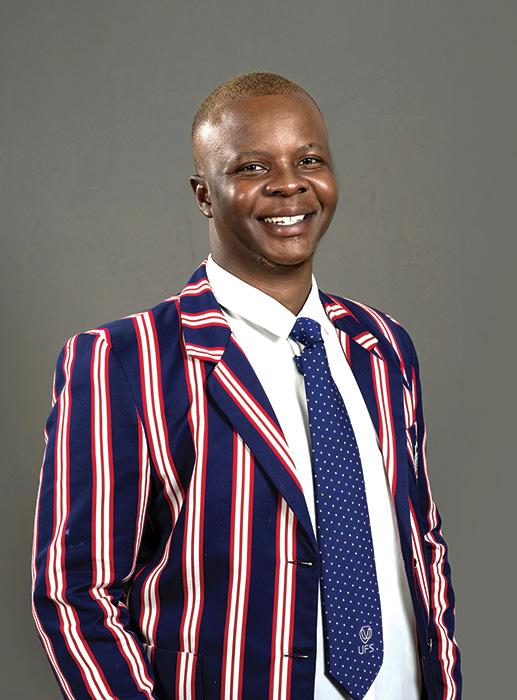
The contribution of Simba Matema highlights the importance of student leadership in academic diplomacy. Through participation in regional and global dialogues on higher education governance and youth leadership, his work reinforces UFS’s commitment to producing socially responsible, globally aware graduates (SDG 16: Peace, Justice and Strong Institutions).

Lorem ipsum dolor sit amet, consectetur adipiscing elit. Ut ultricies erat vel felis fermentum, id ornare est rutrum. Praesent neque velit, porttitor id nisl id, fermentum tempus justo. Mauris varius efficitur lorem. Mauris cursus non felis et blandit. Mauris tincidunt congue enim, efficitur fringilla tortor tincidunt at. Fusce maximus ipsum at vestibulum egestas. Etiam maximus auctor justo nec finibus. Morbi luctus pulvinar dui vel ornare. Duis sit amet dui dolor.