
Is it possible to align economic progress with social equity and ecological parity? This is the key question pursued by economic sustainability. As demonstrated by the United Nations Sustainable Development Goals (SDGs), it is more than a question; it has become an existential necessity for planetary health in the 21st century. The aim of SDG 8 is to “promote sustained, inclusive and sustainable economic growth, full and productive employment and decent work for all”. This is one of the key enablers of “ending poverty in all forms everywhere” (SDG 1) with target aim “to ensure that all men and women, in particular the poor and vulnerable, have equal rights to economic resources, as well as access to basic services, ownership and control over land and other forms of property, inheritance, natural resources, appropriate new technology and financial services, including microfinance”.
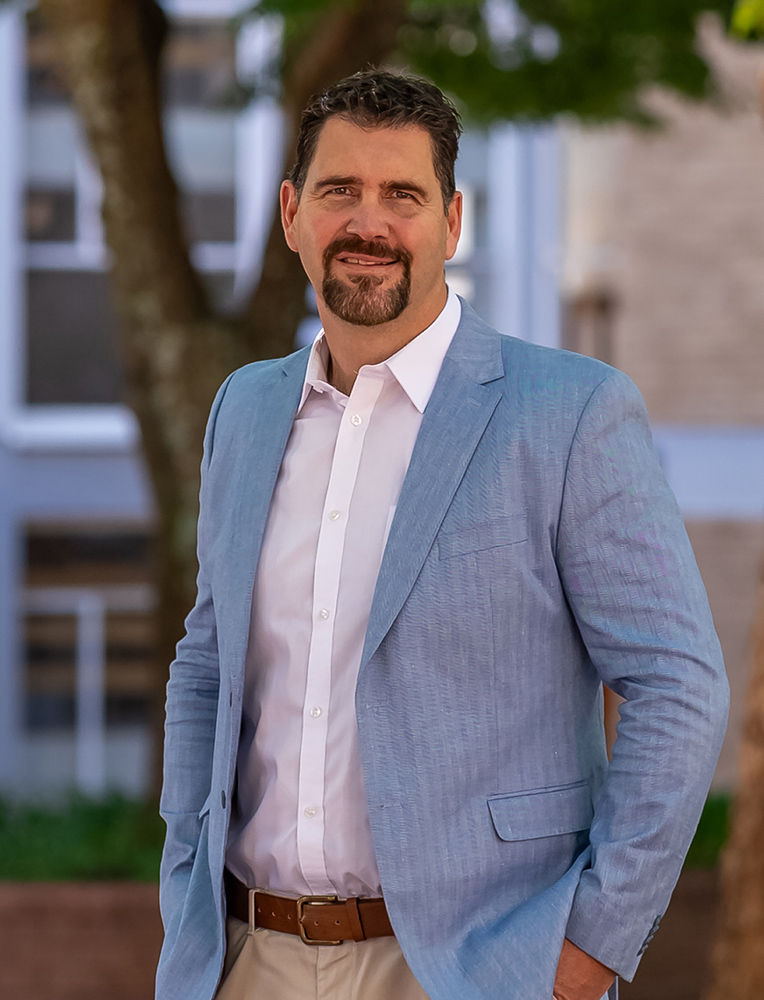
Since rapid technological advancement is changing modern society, it is vital that economic sustainability becomes the driver of innovation. Prof Arno J van Niekerk, Senior Lecturer in the Department of Economics and Finance at the University of the Free State (UFS) believes the answer for “sustained, inclusive and sustainable economic growth” and the new sustainable growth narrative can be found in Africa. It is called Ubuntu.
Ubuntu is a unique African concept and philosophy, emphasising humanity, compassion, interconnectedness, and shared progress. The expression “I am because we are” epitomises this idea. It means that a person’s humanity is shaped by their relationships with others – valuing community, mutual care, respect, and dignity.
Ubuntu encourages cooperation over competition and highlights the importance of belonging and collective well-being. In short, Ubuntu is about being human through others. Prof Van Niekerk believes that this is what economics and the basis of any national economy should be. However, the current economic systems have resulted in increased inequality, poverty, centralisation of economic power, overconsumption, unsustainable debt and weakening public services to name a few. The fundamental question is: Why?
According to Prof Van Niekerk, this is because something is missing: Ubuntu. Technological progress and economic prosperity that has been experienced by some, has excelled without humaneness at its core. Ubuntu is the much-needed balancing factor. The time has come to rethink the current economic systems in the context of Ubuntu to establish the right balance and synergy between economic prosperity and technological advancement for planetary sustainability.
The concept of Ubuntu and Africa answering the global economy questions is the drive behind Prof Van Niekerk’s research, teaching and engaged scholarship. Economists have a responsibility to help steer the economy to a healthy place in a holistic sense, not just to help ensure economic growth. Ubuntu brings accountability and productive inclusion, which are the missing ingredients in today’s economy.
In his latest book, The Inclusive Economy: Criteria, Principles and Ubuntu (Publisher ISBN 2022), Prof Van Niekerk states that while Ubuntu is in strong contrast to the Western individualist mindset, where competition, personal success and independence (self-reliance) are primary motivations for progress, Ubuntu, on the other hand, focuses on sharing (and optimising) available resources with the aim of benefiting all. The Western individualist mindset, while inherently not wrong, unfortunately forms the basis of today’s predominant but vulnerable economic system and is largely the reason for the inequality crisis. When profit becomes a collective objective, as in the case with Ubuntu economics, the focus is on collective expansion, not hoarding (winner takes it all). Africa’s Ubuntu mindset lends itself to building a more circular economy to reduce wastage, optimising efficiency and having greener, inclusive growth.
Ubuntu economics is a form of relationship-based economics. Prof Van Niekerk explains this new economy system relates strongly to social capitalism. The latter envisions a communal-type society where seeking advantage for the group/community ranks equal to personal benefit, but without the latter being the main or end goal. Collective well-being is the main goal. Importantly, this does not mean that utilitarian neoclassical economics and Ubuntu are mutually exclusive. Instead, Ubuntu incorporates individualism and utilitarianism. The value of Ubuntu is that it not so much represents new goals for the economy but opens up an alternative road for communities to reach the goals of economic prosperity and sustainable development as a collective. This also reflects the difference between Ubuntu economics and social capitalism in that the former is a community-based, relational model rooted in African communal values, while the latter is a state-regulated market economy that aims to make capitalism more socially responsible. Ubuntu redefines what it means to thrive; social capitalism reforms how markets serve society.
Prof Van Niekerk’s future plans are to involve more of his students and colleagues in the projects to help transform communities. Municipalities have already contacted his department, so they are putting a team together – after having applied for funding – to work with them and do research. They are partnering with universities in Austria and Germany, as well as with the private sector, to enhance their capacity and impact. These transformative partnerships enable them to work on new models and methods to help shape an inclusive economy – all based on Ubuntu principles.